

Valentines Day: History, Meaning, Traditions, Symbols & Celebration Ideas

Valentine’s Day is a special occasion to celebrate love, friendship, and the people who make life brighter. Every year on February 14, millions of people exchange thoughtful gifts, sweet messages, flowers, and chocolates to show their appreciation. But have you ever wondered about the history of Valentine’s Day or why this holiday became a symbol of romance?
Its story includes ancient traditions, fascinating legends, and customs that have evolved over centuries. Today, Valentine’s Day traditions go beyond romantic couples, welcoming friends, families, and singles. From meaningful Valentine’s Day gifts to creative celebration ideas, there are countless ways to make this beloved holiday memorable and heartfelt.
What Is Valentine’s Day and Why Is It Celebrated?
Valentine’s Day is an annual celebration of love and affection, especially between romantic partners. It takes place on February 14 and gives people an opportunity to express appreciation through thoughtful gestures, meaningful conversations, and small gifts. The holiday is commonly associated with romantic relationships, but its purpose can extend much further. Friends exchange cards, parents surprise their children, and people thank those who make their lives brighter. At its heart, the day encourages you to show someone that they matter. A sincere message can sometimes mean more than an expensive present.
The Valentine’s Day meaning has changed over the centuries as different societies developed their own customs. Today, people celebrate romantic love and friendship in ways that reflect their relationships, beliefs, budgets, and personalities. Some choose an elegant dinner, while others prefer a quiet evening at home. You might send a thoughtful message to a longtime friend or spend time with a family member who needs encouragement. There isn’t one correct way to celebrate. The most meaningful Valentine’s Day celebration is one that feels genuine and helps people feel appreciated.
The Meaning of Valentine’s Day
Valentine’s Day represents affection, commitment, appreciation, and emotional connection. Red roses may communicate romance, while a handwritten note can express gratitude or admiration. The meaning often comes from the intention behind the gesture rather than its price. For example, remembering your partner’s favorite dessert shows that you pay attention to the little things. Similarly, checking on a friend who has experienced a difficult week can make the day feel special without any formal celebration.
Why People Celebrate Love, Romance, and Friendship
People celebrate Valentine’s Day because relationships benefit from regular expressions of care. Everyday responsibilities can make it easy to overlook the people who support us. February 14 offers a reminder to pause and reconnect. Couples might revisit the place where they first met, friends may exchange funny messages, and families can enjoy a shared meal. These simple traditions create memories and strengthen bonds. A small gesture, offered sincerely, can speak louder than a grand declaration.
Is Valentine’s Day Only for Couples?
No, Valentine’s Day isn’t reserved for romantic partners. Valentine’s Day for couples and friends can include romantic dates, friendship celebrations, family activities, or personal reflection. In the United States, children often exchange classroom valentines, while adults may celebrate close friendships through dinners or small gifts. Singles can enjoy a favorite activity, organize a get-together, or simply treat themselves to a peaceful evening. You don’t need a romantic relationship to take part. Love includes many forms of connection, and every meaningful relationship deserves appreciation.
Explore More: Nature Motivation: How Nature Inspires You to Stay Positive and Productive
The History and Origins of Valentine’s Day
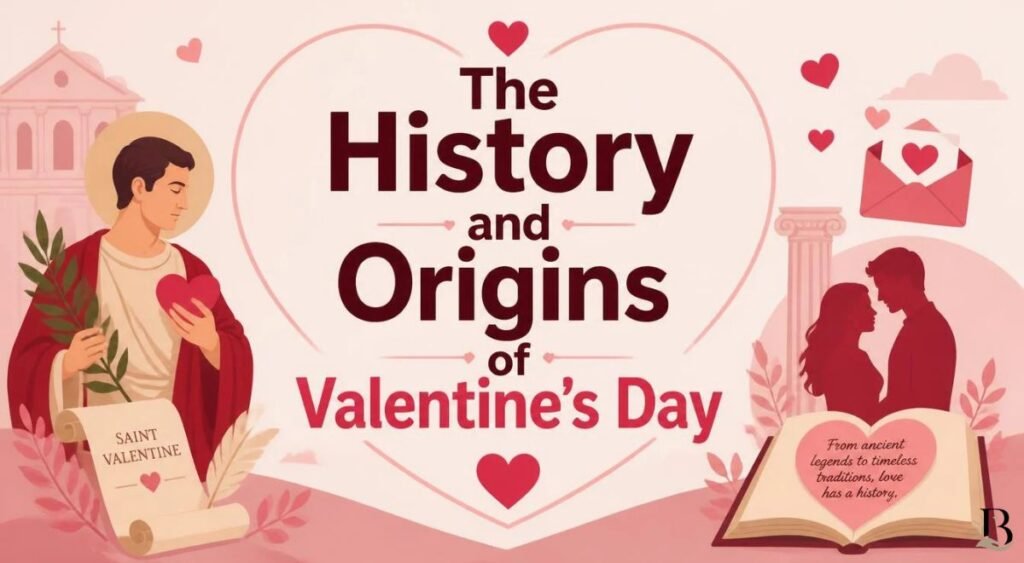
The Origins of Valentine’s Day are more complicated than many familiar stories suggest. The holiday takes its name from Saint Valentine, but historical records provide limited information about the person or people associated with that name. Early Christian accounts describe martyrs named Valentine, and later traditions connected the saint with February 14. Over time, religious observance and popular customs developed alongside one another. The familiar holiday of romance emerged gradually rather than appearing fully formed in Ancient Rome. Historians continue to study the evidence and separate documented events from stories passed down through generations.
The Early history of Valentine’s Day also involves medieval literature and changing ideas about love. During the Middle Ages, writers began connecting Saint Valentine’s feast day with romantic attraction and the pairing of birds. These associations helped shape later customs involving love notes and courtship. The Roman festival of Lupercalia is sometimes described as the holiday’s direct origin, but that connection remains disputed. Although ancient Roman celebrations included fertility-related practices, historians caution against treating them as the proven beginning of modern Valentine’s Day. The holiday’s history is best understood as a gradual blend of religious observance, literary influence, and cultural change.
Who Was Saint Valentine?
Saint Valentine is traditionally remembered as an early Christian martyr associated with February 14. Some accounts identify him as a Christian priest who lived during the Third century, when Christians faced periods of persecution under Roman rule. However, historical sources do not establish every detail of his life with certainty. Several saints named Valentine appear in early Christian traditions, which makes it difficult to determine whether later stories refer to one person or combine different accounts. His name eventually became linked with a holiday known for romance, even though the earliest surviving traditions do not clearly identify him as a patron of lovers.
The Legends and Stories Behind Saint Valentine
One popular legend claims that Valentine secretly married young couples after Roman Emperor Claudius II supposedly banned certain marriages. Another story says that Valentine sent a message to a jailer’s daughter before his execution, signing it with a phrase similar to “Your Valentine.” These stories are memorable, but historians have not verified them as established facts. They became part of the holiday’s cultural identity through retelling, literature, and popular tradition. The stories still appeal to people because they portray courage, devotion, and kindness in the face of hardship.
The Connection Between Ancient Rome and Valentine’s Day
Ancient Rome held festivals connected with the seasons, fertility, and civic or religious life. Lupercalia, observed in mid-February, is often mentioned in discussions about Valentine’s Day because of its timing and fertility-related practices. Some writers have suggested that Christian leaders replaced this Pagan fertility ritual with a feast honoring Saint Valentine. However, historians disagree about whether a direct link existed. According to the historical overview published by HISTORY, the holiday’s origins involve several overlapping theories. It is more accurate to describe Lupercalia as a possible historical comparison than a confirmed source of modern Valentine’s Day customs.
How Valentine’s Day Became Associated With Romantic Love
The connection between Saint Valentine’s Day and romance became clearer in medieval literature. The English poet Geoffrey Chaucer helped establish this association through The Parliament of Fowls, a poem commonly dated to the late fourteenth century. In the poem, birds gather to choose their mates on Saint Valentine’s Day. This literary image connected the feast with courtship and seasonal renewal. Other medieval writers developed similar themes, and the custom of sending love messages grew over time. By the following centuries, Valentine’s Day had become a recognizable occasion for expressing romantic interest.
How Did Valentine’s Day Become a Global Celebration?
Valentine’s Day developed through centuries of changing customs, literature, and commerce. During the medieval period, European writers connected February 14 with courtship and devotion. The idea of Courtly love, which portrayed romance through admiration, loyalty, poetry, and carefully expressed affection, influenced how people described romantic relationships. Such ideals appeared in stories and poems, although everyday relationships did not always match these literary pictures. Over time, people began exchanging written expressions of love, turning a religious feast day into a broader social occasion. The holiday’s popularity grew as these practices spread beyond elite circles.
Printed cards and commercial gifts later made Valentine’s Day easier to celebrate on a large scale. In Britain, the custom of sending valentines expanded during the eighteenth and nineteenth centuries, while the United States developed its own strong greeting-card tradition. Esther Howland became an important figure in the American Valentine-card industry during the nineteenth century. Cheaper printing and wider postal access helped people send messages across long distances. Today, international travel, entertainment, advertising, and digital communication have introduced Valentine’s Day to many communities worldwide. However, each culture adapts the holiday to its own traditions and expectations.
Valentine’s Day Traditions in Medieval Europe
During the Middle Ages, romantic poetry and courtship customs helped connect Saint Valentine’s Day with affection. Writers used images of spring, birds, and devotion to describe the excitement of choosing a partner. These ideas became part of Medieval courtly love, a literary tradition that celebrated admiration and romantic longing. Written messages gradually became an important way to express interest, especially when direct declarations felt difficult. Such customs laid some of the cultural groundwork for modern Valentine’s Day cards and romantic notes.
The Rise of Valentine’s Day Cards and Romantic Messages
The exchange of written valentines became increasingly popular as paper, printing, and postal services became more accessible. People sent poems, declarations of affection, playful riddles, and decorated greetings. In the United States, Esther Howland helped popularize elaborate cards during the nineteenth century. Her designs often included lace, colorful decorations, and romantic imagery. The National Park Service’s history of Valentine’s Day cards explains how the tradition spread in America. Today, people continue to exchange cards, although texts, emails, and digital greetings have added new ways to share affection.
How Commercial Gifts Popularized the Holiday
As Valentine’s Day became more popular, businesses began offering gifts designed for the occasion. Florists promoted roses, confectioners created special boxes of candy, and jewelers marketed keepsakes for romantic partners. These products made it easier for people to mark the day with familiar symbols. Advertising also helped establish expectations around gifts and romantic dates. Still, commercial traditions don’t define the holiday for everyone. A thoughtful letter, a shared walk, or a homemade meal can express affection just as meaningfully as a store-bought present.
The Influence of American Culture on Valentine’s Day
American culture helped make Valentine’s Day a major occasion for cards, candy, flowers, and shared experiences. Schools introduced classroom exchanges, while businesses promoted romantic gifts and restaurant outings. Movies, television, and advertising reinforced recognizable images of hearts, roses, and candlelit dinners. American customs also influenced celebrations in other countries through media and global commerce. At the same time, communities continue to adapt the holiday to local beliefs and social practices. The result is a familiar international celebration with many different expressions.
When Is Valentine’s Day Celebrated? (February 14)

Valentine’s Day February 14 is the date most widely recognized for celebrating romantic love and affection. The date is connected with the feast day of Saint Valentine in the Western Christian calendar. Over time, the association between the saint’s day and romance became firmly established in popular culture. Today, people plan dinners, exchange cards, and send flowers around this date. Since February 14 falls on a different weekday each year, some couples celebrate on the nearest weekend instead. The date remains the same even when personal plans change.
In the United States, Valentine’s Day is widely observed but is not a federal public holiday. Schools, workplaces, restaurants, and retailers may organize special activities, although participation is optional. People can celebrate in the morning with a kind message or save their plans for the evening. If February 14 falls on a busy workday, a simple breakfast together or a later date night can work just as well. The important part is making time for the people you value, rather than trying to follow a perfect schedule.
Why Valentine’s Day Falls on February 14
February 14 became associated with Saint Valentine’s feast day in the Christian tradition. Pope Gelasius I is commonly credited with establishing a feast honoring Saint Valentine in the late fifth century. The later association with romantic love developed through medieval poetry and customs. The exact reasons behind the holiday’s full evolution remain uncertain, so the date should not be explained through one simple legend. Historical evidence suggests that religious observance came before the romantic customs now familiar to many people.
Is Valentine’s Day a Public Holiday in the United States?
Valentine’s Day is not a federal holiday in the United States, so government offices, banks, and most businesses generally follow their usual schedules. Schools and workplaces may hold small celebrations, but these activities depend on local policies. Restaurants, florists, and gift shops often experience increased demand near February 14. If you plan a popular dinner or want a particular bouquet, arranging it early can help you avoid last-minute stress. You can also celebrate at home without worrying about crowded venues or high seasonal prices.
What Day of the Week Is Valentine’s Day This Year?
Valentine’s Day falls on February 14 every year, but the weekday changes. In 2027, February 14 falls on a Sunday. This timing may suit people who prefer a relaxed brunch, an afternoon outing, or a quiet evening at home. If your work or family schedule makes the date difficult, celebrating a day earlier or later is perfectly reasonable. A meaningful occasion doesn’t lose its value because you move dinner to Saturday or exchange gifts after work.
Popular Valentine’s Day Traditions Around the World
Valentine’s Day traditions around the world show how people express affection in different cultural settings. In the United States, couples often exchange cards, flowers, candy, and gifts. Children may bring valentines to school, while friends arrange dinners or small gatherings. In other countries, people may celebrate through handwritten notes, special meals, or locally meaningful customs. Some cultures focus more strongly on romantic partners, while others include friends and family. These differences make the holiday more interesting because the same idea can take many forms. Love is widely understood, but its expressions vary from place to place.
Although many international celebrations share familiar symbols, local customs give each observance a distinct character. In Japan, women traditionally give chocolates to men on Valentine’s Day, while White Day on March 14 has developed as a complementary occasion for returning gifts. In South Korea, Valentine’s Day and White Day form part of a broader series of monthly relationship-themed observances. In parts of Europe, flowers and romantic meals remain popular. Traditions also change over time as younger generations adopt new habits. These Cultural traditions demonstrate that Valentine’s Day is not a single fixed celebration but an evolving expression of connection and appreciation.
Valentine’s Day Traditions in the United States
In the United States, Valentine’s Day often includes flowers, greeting cards, chocolates, and romantic outings. Couples may reserve a restaurant table, exchange personal gifts, or cook a special meal together. Many elementary schools organize classroom celebrations where children share small cards with classmates. Friends may also exchange treats or plan a get-together. These customs help make the day relevant to people of different ages. While some Americans enjoy elaborate celebrations, others prefer a heartfelt note and a little extra time together.
Valentine’s Day Celebrations in Europe
European Valentine’s Day customs vary by country, region, and family. In the United Kingdom, people commonly send cards, flowers, chocolates, and romantic messages. France is often associated with romantic outings and thoughtful gestures, although celebrations differ widely among individuals. In Italy, couples may exchange gifts or enjoy a special meal. These examples reflect common practices rather than rules followed by everyone. Across Europe, the holiday provides an opportunity to express affection through familiar gifts and personal traditions.
Unique Valentine’s Day Customs in Asia
Asian countries have developed distinctive customs around Valentine’s Day. In Japan, women traditionally give chocolates to men, with different types of chocolate sometimes expressing different kinds of affection. White Day, observed on March 14, offers an occasion for returning gifts. South Korea also recognizes White Day and has additional monthly observances associated with relationships and dating. In other parts of Asia, couples may exchange flowers, plan dates, or share gifts influenced by international trends. Local customs and personal preferences shape how people celebrate.
How Different Cultures Celebrate Love and Friendship
Some communities focus on romantic partners, while others use the day to celebrate friendship and family connections. People might exchange small gifts, share a meal, or write messages of appreciation. In places where Valentine’s Day is less traditional, celebrations may reflect newer influences from entertainment, retail, or social media. Some people choose not to celebrate at all, and that choice deserves respect. The broader idea remains simple: people can use a special occasion to acknowledge relationships that bring joy, support, and meaning to their lives.
Valentine’s Day Traditions for Friends, Children, and Families
Valentine’s Day can be a cheerful family occasion as well as a romantic one. Parents may prepare heart-shaped pancakes, write notes in lunchboxes, or organize simple crafts with their children. Friends can share snacks, exchange funny cards, or arrange a movie night. Families might bake cookies together or tell each member what they appreciate about one another. These activities are easy to adapt to different budgets and ages. They also teach children that affection involves kindness, respect, and thoughtful actions rather than gifts alone.
Valentine’s Day Symbols and Their Meanings
The familiar Valentine’s Day symbols help people express emotions that can sometimes be difficult to put into words. Red roses suggest romantic passion, hearts represent affection, and Cupid appears in art as a playful figure associated with love. Chocolates and greeting cards have also become closely linked with the holiday. These symbols appear on decorations, gifts, advertisements, and social media posts throughout February. Their meanings are not universal or fixed, but many people recognize them immediately. A simple heart on a card can communicate warmth without requiring a long explanation.
Different symbols can express different feelings, so choosing one that suits your relationship makes a gift more personal. Red roses often communicate romance, while pink flowers may suggest admiration or tenderness. A handwritten card can feel more intimate than a generic message, especially when it includes a shared memory. Cupid and heart symbols also help create the familiar look of the holiday, but they aren’t necessary for a meaningful celebration. The best symbol is the one that reflects your intentions. A favorite flower, a meaningful photograph, or a small keepsake may carry more personal significance than a traditional design.
Red Roses and Other Valentine’s Day Flowers
Red roses are among the most recognizable symbols of romantic love. Their rich color and long-standing place in art and poetry have helped establish them as a popular gift. However, Valentine’s Day flowers include many other choices, such as tulips, lilies, carnations, and mixed bouquets. Red roses for Valentine’s Day may suit a romantic partner, while softer colors can express admiration, friendship, or appreciation. When choosing flowers, consider the recipient’s favorite varieties and any allergies. A small bouquet chosen with care can feel more personal than the largest arrangement in the shop.
Hearts and Their Connection to Love
Heart-shaped symbols represent affection, emotional closeness, and care in modern Valentine’s Day imagery. You will see them on cards, candy boxes, clothing, decorations, and digital messages. The symbol is not a literal picture of the human heart, but people widely recognize it as a sign of love. A heart-shaped note can work for a partner, friend, or family member. Its meaning depends on the message and relationship. Even a simple drawing made by hand can become a treasured keepsake when it comes from someone important.
Cupid and the Symbolism of Romantic Love
Cupid comes from Roman mythology and is associated with desire and attraction. He is often shown as a winged child carrying a bow and arrows, a playful image suggesting that love can arrive unexpectedly. Cupid’s Roman identity is closely related to the Greek god Eros. Over centuries, artists and writers helped turn this figure into a familiar Valentine’s Day character. Today, Cupid appears on greeting cards, decorations, and gift packaging. His image adds a lighthearted touch to the holiday, even though real relationships depend on communication, respect, and commitment.
Chocolate, Love Letters, and Valentine’s Day Cards
Valentine’s Day chocolates have become popular because they combine an enjoyable treat with a gift that feels special. Heart-shaped boxes, assorted sweets, and personalized chocolate messages are common choices. Love letters and cards offer a different kind of value because they preserve personal thoughts in writing. Some people prefer a short note, while others enjoy writing a longer message about shared memories and future hopes. A combination of chocolate and a handwritten card can create a thoughtful gift without requiring a large budget.
What Different Valentine’s Day Colors Represent
Red commonly represents passion and romantic love, while pink often suggests tenderness, admiration, and sweetness. White can symbolize sincerity or a fresh beginning, depending on the context. Purple may convey creativity or a sense of admiration, while yellow is often associated with friendship and happiness. These meanings are cultural associations rather than universal rules. You can choose colors based on the recipient’s preferences instead of following a strict guide. A favorite color can make a card, bouquet, or gift feel more personal and carefully chosen.
Valentine’s Day Gifts, Flowers, Chocolates, and Cards

Choosing Valentine’s Day gifts can feel difficult when you want to find something meaningful. The good news is that a thoughtful present doesn’t have to be expensive or elaborate. Flowers, chocolates, books, jewelry, personalized keepsakes, and handwritten notes all offer different ways to express affection. The most suitable gift depends on your relationship, the recipient’s interests, and your budget. Someone who loves cooking may appreciate a new kitchen tool, while a book lover might treasure a novel they have wanted to read. Paying attention to personal interests often matters more than following seasonal trends.
A useful approach is to think about what would make the recipient feel understood. Consider their favorite treats, hobbies, memories, or everyday needs before choosing a present. Valentine’s Day gift ideas can range from a simple photo frame to an experience you enjoy together. Flowers and chocolates remain classic options, but a homemade gift may feel more intimate. If you’re planning a surprise, make sure it suits the person’s comfort level and preferences. The goal is to communicate care, not create pressure to spend more or compete with other people’s celebrations.
Popular Valentine’s Day Gifts for Her
A thoughtful gift for her might include flowers, jewelry, a favorite fragrance, a book, or a relaxing experience. However, the best choice depends on her interests rather than general assumptions about what women enjoy. She might prefer concert tickets, art supplies, a practical item she has mentioned, or a handwritten letter. You can make an ordinary gift more personal by adding a note that explains why you chose it. Listening throughout the year makes Valentine’s Day shopping much easier because you already know what brings her joy.
Thoughtful Valentine’s Day Gifts for Him
Meaningful gifts for him can include a favorite snack, a useful accessory, sports tickets, a hobby-related item, or a personal keepsake. Some people appreciate practical presents, while others prefer experiences or sentimental surprises. Think about what he enjoys doing in his free time and what he has recently mentioned wanting. A carefully planned outing may be more memorable than an expensive item. If you aren’t sure what he would like, a sincere conversation can prevent unnecessary spending and help you choose something he will genuinely use.
Romantic Gifts for Partners and Spouses
For a spouse or long-term partner, a personal gift can celebrate your shared history. A framed photograph, a letter describing favorite memories, or a planned visit to a meaningful place may feel especially touching. You could also recreate your first date or prepare a playlist of songs connected with your relationship. These gestures recognize the time you have spent together and the experiences that shaped your bond. Even when life feels busy, a thoughtful surprise can remind your partner that your relationship remains important.
Affordable and Meaningful Valentine’s Day Gifts
You can celebrate Valentine’s Day without stretching your budget. Homemade cookies, a handwritten letter, a printed photograph, or a picnic in a nearby park can make the day special. A playlist of meaningful songs costs nothing to create, while a planned walk offers time to talk without distractions. If you want to buy something, set a comfortable spending limit before shopping. A small gift chosen with care can communicate more affection than an expensive present selected at the last minute.
How to Choose Flowers, Chocolates, and Personalized Gifts
Start by considering the recipient’s tastes, allergies, and lifestyle. Choose flowers they enjoy rather than automatically selecting red roses, and check whether they prefer dark, milk, or white chocolate. Personalized gifts work best when the detail has real meaning, such as a date, favorite photograph, or shared phrase. Order seasonal items early if you want a particular design or delivery time. A little planning helps you avoid unnecessary stress and gives you more time to enjoy the celebration itself.
Valentine’s Day Card Messages and Romantic Quotes
A meaningful card doesn’t need perfect poetry. It needs honest words that reflect your feelings and the relationship you share. You might mention a quality you admire, a memory that makes you smile, or a small way the person improves your daily life. For example, “You make ordinary days feel special, and I’m grateful for every moment we share.” This kind of Valentine’s Day love messages approach feels warm because it is personal and direct. If writing feels difficult, begin with one specific thing you appreciate and build your message from there.
Creative Valentine’s Day Celebration Ideas for Couples and Singles
The best Valentine’s Day celebration ideas focus on connection rather than perfection. Couples can plan a romantic outing, prepare a favorite meal, or revisit a place filled with shared memories. Friends might organize a game night, exchange small gifts, or enjoy a long conversation over coffee. Singles can celebrate with self-care, creative hobbies, or time with people who make them feel supported. The right plan depends on your personality and circumstances. A memorable day doesn’t require a grand surprise, a luxury reservation, or an expensive gift.
If you’re searching for Romantic Valentine’s Day ideas, begin with what you and your loved ones genuinely enjoy. An outdoor enthusiast may prefer a scenic walk, while a homebody might love a cozy movie night. Families can bake cookies, decorate cards, or prepare a special breakfast together. Friends can plan a shared activity instead of exchanging gifts. The following table offers a few ideas for different budgets and situations. Use it as inspiration and adjust each suggestion to fit your schedule, interests, and comfort level.
| Celebration idea | Best for | Budget |
| Homemade dinner and a handwritten card | Couples | Low |
| Picnic in a park | Couples or friends | Low |
| Movie night with favorite snacks | Couples, friends, or family | Low |
| Flowers and a personal message | Romantic partners | Low to moderate |
| Cooking or baking together | Couples or families | Low |
| Concert, show, or special outing | Couples or friends | Moderate to high |
| Solo spa evening or creative hobby | Singles | Low to moderate |
| Handmade cards and treats | Families and children | Low |
Romantic Valentine’s Day Date Ideas for Couples
A romantic date can be simple, adventurous, or carefully planned around a shared interest. You might visit the restaurant where you had your first date, take a sunset walk, or explore a neighborhood you have never visited together. Couples who enjoy trying new things could attend a cooking class, visit a museum, or take a short day trip. If you prefer something quieter, prepare a playlist and spend the evening talking without checking your phones. These experiences create opportunities for Quality time together, which often matters more than an elaborate setting.
At-Home Valentine’s Day Celebration Ideas
Staying home can make Valentine’s Day feel relaxed and personal. Prepare a Home-cooked meal, light a few candles, and set the table with your favorite dishes. You could recreate a restaurant experience by choosing a menu, dressing up, and playing music in the background. Another option is a movie marathon featuring films you both enjoy. Couples with children can plan a family dinner before arranging a quieter evening afterward. The beauty of celebrating at home is flexibility. You can make the evening meaningful without dealing with crowded restaurants or complicated reservations.
Budget-Friendly Valentine’s Day Activities
A limited budget doesn’t have to limit affection. Take a walk through a beautiful park, watch the sunset, exchange handwritten notes, or prepare breakfast together. You could also create a memory jar filled with favorite moments and reasons you appreciate each other. Friends might arrange a potluck dinner where everyone brings one dish. These Valentine’s Day romantic gestures feel meaningful because they show thought and effort. Instead of comparing your celebration with pictures online, focus on what makes the people involved feel comfortable and valued.
Galentine’s Day and Valentine’s Day Ideas for Friends
Friendship deserves attention, too. Galentine’s Day, commonly associated with celebrating women and their friendships on February 13, has become a popular informal occasion. Friends might meet for brunch, exchange small gifts, share favorite memories, or plan a fun activity. You can also celebrate friendship on February 14 itself. A thoughtful message, a coffee date, or a small surprise can remind someone that their presence matters. There’s no need to follow a strict tradition. The purpose is to enjoy companionship and appreciate the people who support you through ordinary days and difficult seasons.
Self-Love and Solo Valentine’s Day Ideas
Spending Valentine’s Day alone doesn’t mean you have to feel left out. You can make the day your own by visiting a favorite café, reading a good book, taking a relaxing bath, or starting a creative project. If you have been busy caring for others, use the occasion to rest and reconnect with your interests. You might write down personal goals or send appreciation messages to friends who have supported you. Self-love isn’t about pretending every day feels wonderful. It’s about treating yourself with patience and recognizing that your worth doesn’t depend on your relationship status.
Family-Friendly Valentine’s Day Activities
Families can turn Valentine’s Day into a playful celebration of kindness. Children might decorate paper hearts, bake cookies, or make cards for relatives and teachers. Parents can place encouraging notes in lunchboxes or invite everyone to share one thing they appreciate about another family member. A themed movie night or heart-shaped breakfast can add excitement without much expense. These activities help children understand that affection includes respect, gratitude, and helpful actions. They also create family memories that may become cherished traditions long after the decorations come down.
Explore More: Nature Motivation: How Nature Inspires You to Stay Positive and Productive
How Is Valentine’s Day Celebrated in Modern Times?

Valentine’s Day in modern times blends long-standing customs with digital communication, changing relationships, and new ways of expressing affection. People still exchange flowers, chocolates, and cards, but they also send messages through social media, share photographs, and arrange virtual dates. Online shopping makes it easier to send gifts across distances, while delivery services help people surprise loved ones who live elsewhere. Some couples prefer elaborate outings, whereas others choose quiet evenings and personal gestures. Modern celebrations reflect a simple truth: people have different ways of showing love, and no single approach suits everyone.
Commercial promotions have made Valentine’s Day highly visible in American culture, but spending money isn’t a requirement. Retailers, restaurants, florists, and greeting-card companies often promote special offers in the weeks leading up to February 14. Social media can provide inspiration, although carefully staged images may create unrealistic expectations. A meaningful celebration doesn’t need to match someone else’s photographs or budget. Whether you exchange gifts, share a meal, or send a thoughtful message, choose an approach that feels right for your relationship. The day works best when affection remains the focus rather than pressure or comparison.
Social Media Posts, Digital Cards, and Valentine’s Day Images
Digital communication allows people to celebrate even when they live far apart. You can share a photograph, post a loving caption, create a digital card, or send a private message. Some people enjoy posting publicly, while others prefer to keep personal moments private. Before sharing pictures or details about another person, consider their comfort with public attention. A thoughtful message can brighten someone’s day without appearing on a public profile. Digital tools make connection easier, but the sincerity of your words matters more than the number of likes they receive.
Online Dating and Modern Romantic Gestures
Dating apps and online communities have changed how many people meet potential partners. Valentine’s Day may encourage new couples to plan a first date, while established partners use it to celebrate their relationship. If you’re dating someone new, keep expectations realistic and choose a plan that feels comfortable for both people. A coffee date or casual meal can be more suitable than an elaborate romantic surprise. For long-distance couples, a video call, shared online activity, or mailed letter can help bridge the distance. Thoughtfulness and clear communication matter at every stage of a relationship.
The Role of Shopping, Restaurants, and Gift-Giving
Shopping and gift-giving play a visible role in American Valentine’s Day celebrations. Restaurants may offer special menus, florists prepare seasonal arrangements, and stores display chocolates and greeting cards. These services can make planning convenient, especially when you want to surprise someone with a favorite item. However, popular venues may fill quickly, and seasonal products can cost more than usual. Planning ahead helps you compare options and avoid unnecessary pressure. A purchased gift can be lovely, but its value comes from the thought behind it rather than the price tag.
Meaningful Ways to Celebrate Without Spending Much
You can make Valentine’s Day meaningful through attention, kindness, and shared experiences. Write a letter that mentions a memory you treasure, prepare a favorite meal, or spend an afternoon doing something the other person enjoys. If a loved one lives far away, arrange a phone call and give them your full attention. You might also volunteer together or perform a small act of kindness for someone who needs support. These Modern celebrations show that affection isn’t limited to romantic purchases. Often, the most memorable gift is knowing that someone took time to understand you.
How Valentine’s Day Is Becoming More Inclusive
Valentine’s Day has expanded beyond the traditional image of a romantic couple exchanging roses. Many people now celebrate friends, chosen family, relatives, and the communities that support them. Others use the day to practice self-care or acknowledge relationships that don’t fit familiar stereotypes. Some people avoid the holiday for personal, cultural, financial, or emotional reasons, and that choice is equally valid. An inclusive celebration makes room for different experiences without assuming everyone has a partner. The broader message is one of appreciation, respect, and kindness toward the people who enrich our lives.
Conclusion
Valentine’s Day has traveled a long road from its uncertain historical beginnings to the widely recognized celebration we know today. Its story includes Saint Valentine, medieval poetry, changing traditions, and the rise of cards, flowers, and gifts. The holiday’s place in the Catholic Calendar of Saints also changed when the Roman Catholic Church revised its general calendar in 1969, although devotion to Saint Valentine continues. Today, February 14 gives people an opportunity to celebrate Romantic love and friendship through personal gestures, shared experiences, and thoughtful messages. Whether you enjoy a Romantic dinner, exchange gifts, plan a surprise, or simply spend time with someone special, the day can reflect what matters most to you.
The most meaningful Valentine’s Day celebration doesn’t depend on expensive presents or perfect plans. A sincere letter, a favorite meal, or an unexpected act of kindness can leave a lasting impression. Some couples may even choose this occasion for Marriage proposals, while others prefer a relaxed evening with family or friends. Whatever your plans, let appreciation guide your choices. Celebrate the relationships that bring joy to your life, respect the different ways people express affection, and remember that kindness matters throughout the year. After all, love becomes more meaningful when you show it through everyday actions, not just on February 14.
FAQ’s About Valentines Day
What is the true purpose of Valentine’s Day?
Valentine’s Day celebrates love, affection, and appreciation for romantic partners, friends, family members, and other special people in your life.
What are the 7 days of Valentine’s Week?
The seven days are Rose Day (Feb 7), Propose Day (Feb 8), Chocolate Day (Feb 9), Teddy Day (Feb 10), Promise Day (Feb 11), Hug Day (Feb 12), and Kiss Day (Feb 13).
Is Valentine’s Day on the 13th or 14th?
Valentine’s Day is celebrated on February 14 every year. February 13 is Kiss Day in the popular Valentine’s Week calendar.
What day is February 7 to 14?
February 7–14 is commonly known as Valentine’s Week, featuring daily celebrations of love and affection that end with Valentine’s Day on February 14.
Is February 12 a Kiss Day?
No. February 12 is Hug Day, while Kiss Day is celebrated on February 13.
Explore More: Nature Motivation: How Nature Inspires You to Stay Positive and Productive

Welcome to Blessingar! I’m the creator and author, dedicated to sharing accurate, engaging, and informative biographical content for curious readers.







One Comment
Comments are closed.