
Thanksgiving Day: History, Meaning, Traditions & Celebration in the USA

Thanksgiving Day is a special time when millions of Americans gather with loved ones, enjoy delicious meals, and appreciate life’s blessings. Celebrated on the fourth Thursday of November, this cherished holiday brings families and friends together through meaningful traditions and shared memories. The history of Thanksgiving includes harvest celebrations, Indigenous heritage, and the development of an important American holiday.
Today, people celebrate with turkey dinners, festive parades, football games, and acts of kindness. Beyond the food and festivities, Thanksgiving traditions remind everyone to practice gratitude, strengthen relationships, and help others. Discover the history of Thanksgiving, its meaning, traditional foods, and wonderful ways to celebrate this memorable day.
What Is Thanksgiving Day and Why Is It Celebrated?
Thanksgiving Day is an annual American holiday celebrated on the fourth Thursday of November. It encourages people to reflect on their blessings and express appreciation for the people in their lives. Families often gather for a special dinner, while friends reconnect and communities organize charitable activities. For many Americans, the holiday represents gratitude, generosity, and togetherness. Its religious and cultural influences remain important, although modern celebrations include people from many different backgrounds.
The importance of Thanksgiving goes beyond food and family gatherings. It reminds people to recognize what they have instead of focusing only on what they lack. Some families pray before dinner, while others share what they feel thankful for around the table. Many people also donate food, volunteer, or support neighbors facing difficult times. These customs reflect the spirit of gratitude and show why Thanksgiving is celebrated throughout the country. At its heart, the holiday encourages people to appreciate their blessings and share kindness with others.
What Is the Meaning of Thanksgiving Day?
The Meaning of Thanksgiving centers on gratitude, appreciation, and connection. It encourages you to recognize the people, opportunities, and experiences that make life better. Thanksgiving can also remind you that happiness does not always come from expensive gifts or grand celebrations. Sometimes, a warm meal, a caring friend, or a peaceful afternoon means much more. The holiday gives families an opportunity to pause, reflect, and celebrate these everyday blessings.
Why Is Thanksgiving Important in American Culture?
Thanksgiving holds a special place in Thanksgiving in American culture because it connects family traditions with a shared national celebration. Many people travel long distances to spend the day with relatives. Others create new customs with friends or neighbors. The holiday also supports American cultural traditions such as festive meals, parades, football, and community service. Although every household celebrates differently, gratitude remains a common theme.
Explore More: National Wife Day: Date, Celebration Ideas, and Ways to Appreciate Your Wife
When Is Thanksgiving Day Celebrated in the USA?

Thanksgiving Day is celebrated on the fourth Thursday in November every year in the United States. The date changes annually because the holiday follows a weekday rather than a fixed calendar date. In 2026, Thanksgiving falls on Thursday, November 26. Families often begin planning weeks ahead because the holiday involves cooking, travel, shopping, and arranging visits with loved ones. Schools and many workplaces adjust their schedules around the celebration.
Understanding the Thanksgiving date in the USA also helps explain its place in the holiday season. Thanksgiving often marks the beginning of a busy period that includes Christmas preparations and New Year’s celebrations. The Friday afterward is widely known for Black Friday shopping, when many retailers offer special deals. However, Thanksgiving itself focuses mainly on gratitude, food, and spending time together. People should also remember that business hours and travel schedules may vary during the Thanksgiving holiday in November.
Why Is Thanksgiving Celebrated on Thursday?
Thanksgiving became associated with Thursday through historical observances and presidential proclamations. In 1863, President Abraham Lincoln called for a national Thanksgiving observance during the Civil War and designated the last Thursday of November. Later, President Franklin D. Roosevelt moved the observance in some years to extend the Christmas shopping season. Congress resolved the disagreement in 1941 by establishing the fourth Thursday in November as the official date. This rule still determines the American Thanksgiving date today.
Is Thanksgiving Day a Federal Holiday?
Yes, Thanksgiving Day is a federal holiday in the United States. Federal government offices generally close, and many schools and businesses give employees time off. Banks and other services may also adjust their schedules, although private employers decide their own policies. Restaurants, grocery stores, travel services, and some retail businesses may remain open with different hours. If you plan to travel or shop, checking local schedules beforehand can save time and prevent surprises.
The History and Origins of Thanksgiving Day
The History of Thanksgiving includes harvest celebrations, colonial settlement, and the development of a national tradition. Long before European settlers arrived, Indigenous communities across North America held ceremonies and Harvest festivals to celebrate crops, honor their relationships with the land, and give thanks. In 1620, the Mayflower carried English settlers known as the Pilgrims to the region near Plymouth, Massachusetts. After a difficult first winter, the settlers faced hunger, illness, and other hardships. In 1621, they held a three-day harvest gathering involving members of the Wampanoag people. This event is commonly remembered as the first Thanksgiving, although historians explain that its meaning differed from the familiar stories told today.
The Thanksgiving origins are more complex than a simple story of friendship between settlers and Native Americans. The Wampanoag had their own political interests and traditions, while European colonization later brought land loss, disease, violence, and suffering to Indigenous peoples. Over time, different American communities held thanksgiving observances, but the holiday did not immediately become a nationwide tradition. During the American Civil War, President Abraham Lincoln issued a proclamation in 1863 calling for a national day of thanksgiving. In 1941, Congress established Thanksgiving on the fourth Thursday of November. These events helped shape the modern National holiday that Americans celebrate today.
What Happened at the First Thanksgiving in 1621?
The Thanksgiving in 1621 gathering followed a successful harvest at Plymouth Colony. Historical accounts suggest that the celebration lasted three days and included English settlers and Wampanoag people. The gathering likely involved foods such as venison, wild birds, and locally available produce, although the complete menu remains uncertain. It probably differed greatly from today’s familiar Thanksgiving feast, which often includes turkey, mashed potatoes, and pumpkin pie. The event is an important part of American history, but its full context includes the different experiences and interests of the people involved.
How Did Thanksgiving Become a National Holiday?
Thanksgiving developed into a national observance through several stages. Communities had celebrated days of thanksgiving long before Lincoln’s 1863 proclamation, but his call helped establish a regular national tradition during a period of deep division. Later presidents continued the annual practice, although the date sometimes changed. In 1941, Congress formally established the fourth Thursday in November as Thanksgiving Day. This decision created the consistent schedule Americans follow today and helped shape the holiday’s place in the national calendar.
What Is the Indigenous Perspective on Thanksgiving?
For many Indigenous people, Thanksgiving can bring attention to painful parts of American history that popular celebrations sometimes overlook. The arrival of European settlers led to major changes in Indigenous lands, cultures, and communities, including displacement and violence. Some Native Americans observe the day as a time of mourning, remembrance, or reflection rather than celebration. Others participate in family gatherings while also honoring their heritage and ancestors. Learning these perspectives helps people understand Thanksgiving with greater honesty and respect instead of relying on an incomplete historical story.
Thanksgiving Day Traditions and Customs in America

Thanksgiving traditions bring together food, family, entertainment, and gratitude. Many households prepare a large dinner, decorate their homes, and invite relatives or friends to share the occasion. Some families begin the meal with a prayer, while others take turns describing what they appreciate most. Watching the Macy’s Thanksgiving Day Parade is another familiar custom, especially among families with children. Many Americans also watch Thanksgiving football or enjoy professional and college football games throughout the day. These American Thanksgiving traditions create familiar holiday moments that people often remember for years.
Not every household follows the same routine, and that variety keeps the holiday meaningful for different generations. Some people cook traditional recipes passed down through their families, while others combine American dishes with foods from their cultural backgrounds. Community groups may arrange meals for people who live alone or cannot afford a festive dinner. Others take part in Thanksgiving community traditions, including food drives and volunteer projects. These modern Thanksgiving traditions show that the holiday can include both private family moments and wider acts of kindness.
What Are the Most Popular Thanksgiving Traditions?
Popular traditions include preparing a special meal, watching parades, enjoying football, and gathering with loved ones. Many families also share memories, take photographs, play board games, or go for a walk after dinner. For some, the holiday begins with cooking early in the morning and ends with dessert around the table. Others attend community events or volunteer before joining their families. Although the details vary, these customs help make Thanksgiving a familiar and memorable part of American life.
Why Do Families Gather Together on Thanksgiving?
Thanksgiving family gatherings give people a chance to reconnect despite busy schedules and long distances. Relatives may travel across several states to enjoy a meal, catch up on family news, or celebrate important milestones. These gatherings can also help children learn family stories, recipes, and customs from older generations. When relatives cannot meet in person, video calls and shared messages can help them feel included. In this way, Thanksgiving with family is less about creating a perfect celebration and more about making time for meaningful relationships.
Traditional Thanksgiving Foods and Their Meaning
Traditional Thanksgiving food plays a central role in the holiday because sharing a meal brings people together. A classic Thanksgiving dinner often includes roast turkey, stuffing, gravy, mashed potatoes, cranberry sauce, sweet potatoes, vegetables, and pie. Turkey has become such a familiar centerpiece that some people call the occasion “Turkey Day.” However, the menu is not the same in every home. Regional dishes, family recipes, and cultural influences can turn the meal into a personal expression of heritage and hospitality.
The meaning of a Thanksgiving feast lies in both the food and the people who share it. Turkey and stuffing may remind someone of childhood celebrations, while mashed potatoes and cranberry sauce bring familiar flavors to the table. For many families, pumpkin pie provides the traditional ending to the meal. Other households serve pecan pie, cornbread dressing, seafood, vegetarian dishes, or recipes passed down through several generations. The Thanksgiving dinner table can therefore reflect family history, regional tastes, and the simple pleasure of sharing food.
| Traditional dish | Why it is popular |
| Roast turkey | A familiar centerpiece of many American Thanksgiving meals |
| Stuffing or dressing | A savory side dish made with bread, herbs, and other ingredients |
| Mashed potatoes | A comforting dish often served with gravy |
| Cranberry sauce | Adds a sweet and tart flavor to the meal |
| Sweet potatoes | Often baked or prepared with spices and other toppings |
| Green bean casserole | A popular baked vegetable dish in many households |
| Pumpkin pie | A classic autumn dessert associated with Thanksgiving |
| Pecan or apple pie | Common alternatives that reflect regional and family preferences |
Why Do Americans Eat Turkey on Thanksgiving?
Turkey became closely linked with Thanksgiving because it can feed a large gathering and suits the traditional holiday meal. Its popularity grew through American food customs, recipes, and repeated family celebrations. However, there is no reliable evidence proving that turkey was the main dish at the 1621 harvest gathering. Historical accounts mention venison and wild birds, but the precise menu remains uncertain. Today, people continue serving turkey because it has become a recognizable symbol of the American holiday.
What Foods Were Eaten at the First Thanksgiving?
The meal shared in 1621 probably looked different from a modern Thanksgiving dinner. Historical evidence points to venison and wild birds, along with foods available in the region during the harvest season. Corn and other local crops may have played a role, although historians cannot confirm every ingredient. Familiar modern dishes such as cranberry sauce, mashed potatoes, and pumpkin pie should not automatically be linked to that gathering. The best approach is to distinguish what historical records support from traditions that developed much later.
What Desserts Are Popular on Thanksgiving Day?
Pie is one of the best-known endings to an American Thanksgiving meal. Pumpkin pie is especially popular because it uses a seasonal ingredient associated with autumn. Pecan pie and apple pie are also common choices, while some families serve cheesecakes, cookies, cakes, or regional desserts. Many households use treasured Family recipes that connect current celebrations with previous generations. Whatever appears on the dessert table, sharing a sweet treat often provides a relaxed finish to the holiday meal.
How Do Americans Celebrate Thanksgiving Day?
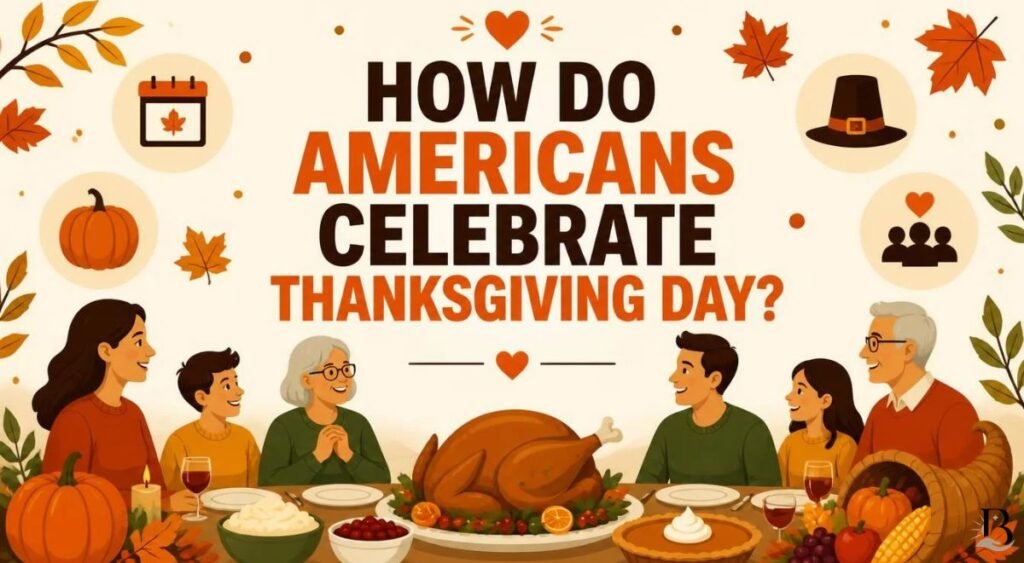
Americans celebrate Thanksgiving in many ways, depending on their family traditions, location, and personal preferences. Some people spend the day preparing food and welcoming guests, while others travel to visit relatives or friends. Many households watch parades, follow football games, and enjoy long conversations over dinner. For others, the celebration may involve a restaurant meal, a neighborhood gathering, or a quiet day at home. These different Thanksgiving celebrations reflect the variety of American life while keeping gratitude at the center.
Food and family remain important, but modern celebrations often include new customs. Friends may organize Friendsgiving before the official holiday, while families living far apart connect through video calls. Some people use the day to support local charities or deliver meals to neighbors. Others combine familiar American dishes with food from their cultural heritage. These Contemporary holiday customs show how American holiday traditions continue to change while preserving the main ideas of appreciation, connection, and generosity.
How Do Families Prepare for Thanksgiving?
Preparing for Thanksgiving often begins several days or weeks before the holiday. Families plan the menu, purchase ingredients, decide who will bring each dish, and arrange seating for guests. Some people prepare pies and side dishes in advance to reduce stress on Thanksgiving morning. Others decorate the dining room with autumn leaves, candles, or handmade centerpieces. Careful planning makes the day easier and gives hosts more time to enjoy their guests instead of spending every moment in the kitchen.
What Is Friendsgiving?
Friendsgiving is an informal gathering where friends share a meal and celebrate their relationships. It often takes place before Thanksgiving Day, although some groups celebrate on the holiday itself. Guests may bring different dishes, organize games, or create their own gratitude traditions. Friendsgiving can be especially meaningful for college students, people living far from relatives, and anyone who wants to build a sense of community. It shows that a holiday gathering can feel special even without a large family or a formal dinner.
Thanksgiving Day Around the World and in Different Cultures
Although Thanksgiving Day is strongly associated with the United States, other countries also celebrate harvests and express gratitude through their own traditions. Canadian Thanksgiving takes place on the second Monday in October and has a different historical development. Other countries hold harvest festivals that honor crops, seasonal changes, or community life. These celebrations may share themes of gratitude, family, and abundance, but they do not all follow the same history or customs. Understanding these differences gives readers a wider view of how people express thankfulness around the world.
The American holiday also reflects the country’s diverse population. Many families bring their own cultural dishes, music, and customs to the celebration, creating meals that blend different traditions. Some households prepare classic turkey dinners, while others serve rice dishes, seafood, curries, or vegetarian meals. These Religious and secular celebrations can coexist within the same community, even when people understand gratitude in different ways. The result is a broad range of Seasonal celebrations and family customs that make Thanksgiving personal to each household.
What Is the Difference Between American and Canadian Thanksgiving?
American Thanksgiving takes place on the fourth Thursday in November, while Canadian Thanksgiving falls on the second Monday in October. Both holidays are connected with gratitude and harvest traditions, and both often feature family meals. However, their histories and national contexts differ. Canadian Thanksgiving also arrives earlier in the autumn, reflecting the country’s seasonal calendar. Although the food and customs may look similar, each country celebrates its own distinct holiday.
Do Other Countries Celebrate Thanksgiving?
Some countries observe holidays that resemble Thanksgiving in their focus on harvest, gratitude, or community. For example, Germany celebrates Erntedankfest, a harvest festival that often includes church services and local events. South Korea’s Chuseok brings families together to honor ancestors and share traditional foods. Ghana’s Homowo festival has historical ties to overcoming hunger and celebrating abundance. These observances are not identical to American Thanksgiving, but they show how gratitude and shared traditions appear in many cultures.
Thanksgiving Day Activities, Games, and Celebration Ideas
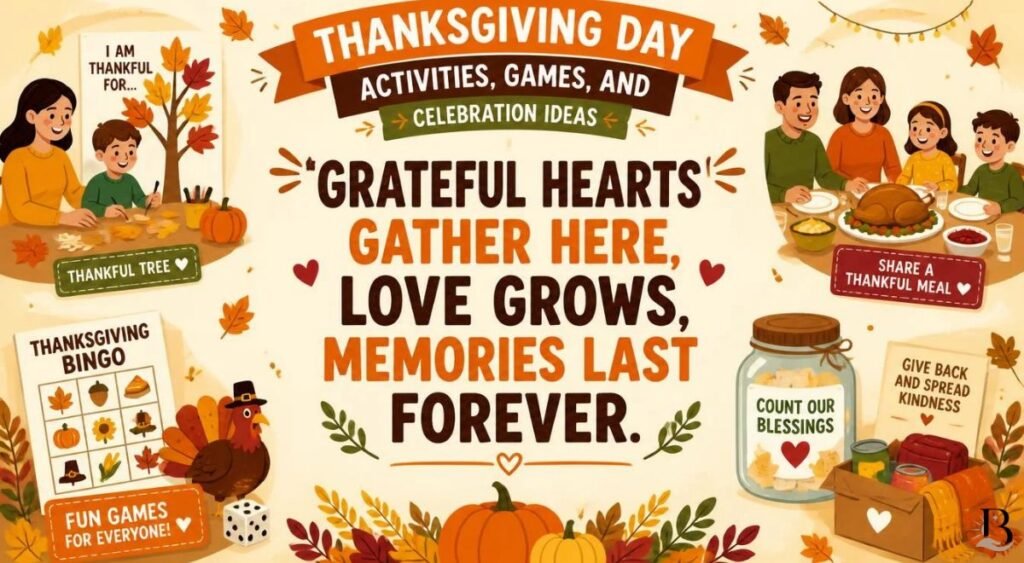
Thanksgiving activities can make the holiday enjoyable for guests of different ages. Families might create a gratitude jar where everyone writes down something they appreciate, then read the notes aloud after dinner. Children can make autumn crafts, decorate cookies, or take part in a simple scavenger hunt. Adults may enjoy board games, a neighborhood walk, or friendly football in the backyard. These activities give people something to share beyond the meal and help create lasting memories without requiring expensive supplies.
Celebrations can also be simple and affordable. A potluck allows each guest to contribute a dish, which reduces the work for the host and introduces everyone to different recipes. Homemade decorations, reusable plates, and seasonal fruit can create a welcoming atmosphere without stretching the budget. Families can also plan Volunteering opportunities as part of the day, such as helping at a community kitchen or collecting pantry items. Thoughtful planning can make the holiday warm and memorable without turning it into a costly event.
What Are Fun Thanksgiving Activities for Families?
Families can enjoy activities that encourage conversation, creativity, and teamwork. A gratitude game invites each person to name something they appreciate, while a family trivia contest can test everyone’s knowledge of shared memories. Children might draw pictures of their favorite holiday moments or help arrange the dessert table. Outdoor activities can include a short walk, a friendly football game, or collecting autumn leaves. The best activities are easy to adapt, so grandparents, young children, and other guests can participate comfortably.
How Can You Celebrate Thanksgiving on a Budget?
A meaningful Thanksgiving does not require an expensive meal or elaborate decorations. You can plan a simple menu, ask guests to bring a side dish, and use ingredients already in your kitchen. Homemade place cards, paper decorations, and seasonal items can make the table look festive at little cost. Cooking together also turns preparation into part of the celebration. When everyone contributes, the day becomes less about spending money and more about enjoying good company.
Explore More: National Wife Day: Date, Celebration Ideas, and Ways to Appreciate Your Wife
The Meaning of Gratitude, Blessings, and Giving on Thanksgiving

Gratitude is one of the most meaningful parts of Thanksgiving because it encourages people to notice the good things in their lives. Expressing gratitude can mean thanking a loved one, appreciating a helpful neighbor, or recognizing the support that made a difficult year easier. Many families practice Counting your blessings by sharing something positive before dinner. This simple habit can strengthen relationships and encourage Thankfulness and appreciation throughout the year. The blessings of Thanksgiving are not limited to material comforts; they also include friendship, good memories, personal growth, and moments of peace.
Thanksgiving also encourages Charitable giving and Community support. Food banks, shelters, and community kitchens often need extra help during the holiday season. People can contribute through Food donations, financial gifts, or Volunteering opportunities that support local families. Helping less fortunate families may involve preparing meals, donating groceries, or checking on someone who lives alone. These acts reflect Generosity and kindness and make Sharing blessings a practical part of the celebration. When people give their time and resources, Thanksgiving becomes an opportunity to strengthen the community as well as enjoy a special meal.
How Can You Practice Gratitude on Thanksgiving Day?
You can practice gratitude by making time to recognize the people and experiences that bring meaning to your life. Write a short list of things you appreciate, send a thank-you message to someone who helped you, or invite everyone at dinner to share a positive memory. You can also reflect on lessons learned during challenging times. These small actions help you focus on what matters most. Over time, practicing gratitude can become a meaningful habit that continues well beyond the holiday.
How Can You Help Others During Thanksgiving?
There are many ways to help others during Thanksgiving, even if you have limited time or money. You can donate canned goods to a local food bank, volunteer at a community meal, or contribute warm clothing to a shelter. Calling an older neighbor or inviting someone who would otherwise spend the day alone can also make a difference. Many charities welcome volunteers and donations during the holiday season, so check local organizations for current needs. Every thoughtful action can help someone feel supported and included.
What Are Some Meaningful Thanksgiving Blessings and Messages?
Thanksgiving blessings and messages offer a simple way to share appreciation with people you care about. You might tell your family, “May our home always be filled with love, peace, and thankful hearts.” For a friend, you could write, “May your Thanksgiving bring comfort, laughter, and countless reasons to smile.” A message to someone facing hardship might say, “May you find strength, hope, and caring people beside you during this season.” These words remind others that they matter. Whether you share a prayer, a handwritten note, or a short text, sincere words can make the holiday more meaningful.
Conclusion
Thanksgiving Day brings together history, food, family customs, and the enduring value of gratitude. Its past includes the 1621 gathering at Plymouth, Indigenous history, and the later establishment of a national holiday. Today, people celebrate through traditional meals, parades, football, family visits, and community service. Although customs differ between households, the holiday offers a chance to appreciate relationships and recognize the people who make life richer. Understanding its history also helps create a more thoughtful and respectful celebration.
As Thanksgiving approaches, consider what matters most to you and how you can share that appreciation with others. Enjoy a meal with loved ones, reach out to a friend, or help someone in your community. You do not need an elaborate feast or expensive gifts to make the day special. A kind word, a shared meal, or a sincere thank-you can mean a great deal. In the end, the true spirit of Thanksgiving lives in the gratitude you practice and the kindness you extend to others.
FAQ’s About Thanks Giving Day
Is Thanksgiving a USA holiday?
Yes, Thanksgiving is a federal holiday in the United States, celebrated on the fourth Thursday of November each year.
Why is Thanksgiving Day celebrated?
Thanksgiving Day is celebrated to express gratitude, enjoy time with loved ones, share meals, and help people in need.
What is the best Thanksgiving message?
“May your Thanksgiving be filled with love, happiness, and countless blessings. Wishing you a beautiful day surrounded by people who make life special.”
Is Thanksgiving in Canada and the USA the same?
No, both holidays celebrate gratitude, but Canadian Thanksgiving falls on the second Monday of October, while American Thanksgiving falls on the fourth Thursday of November.
Is Thanksgiving Monday a stat holiday in Canada?
Thanksgiving Monday is a federal statutory holiday in Canada, but eligibility and observance rules can vary by province, territory, and workplace.
Explore More: National Wife Day: Date, Celebration Ideas, and Ways to Appreciate Your Wife

Welcome to Blessingar! I’m the creator and author, dedicated to sharing accurate, engaging, and informative biographical content for curious readers.






One Comment
Comments are closed.